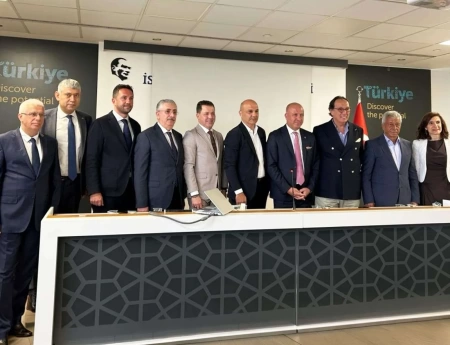
GCA drew attention to the strategic importance of the circular economy for Türkiye’s competitiveness, raw material supply security, and sustainable growth at the roundtable meeting titled “From Waste to Competitiveness: The Contribution of the Circular Economy and Extended Producer Responsibility to Climate, Growth, and Supply Security in Türkiye,” held in Antalya as part of COP31. GCA was represented at the meeting by its General Manager, Dr. Abdullah Gayret.
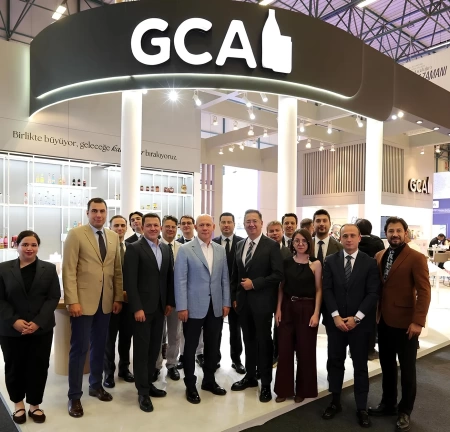
GCA, which has been operating within Gürok Group since 2015 and is one of the leading organizations in Türkiye’s glass packaging sector, brought together representatives of the business community at a roundtable meeting held in Antalya as part of COP31, in line with its focus on sustainable production and the circular economy.
The meeting, hosted by Unilever in collaboration with the We Mean Business Coalition (WMBC), was held on November 12, 2026. It addressed the impact of the circular economy on climate goals, industrial competitiveness, sustainable growth, and raw material supply security.
A New Priority in the Circular Economy: From Recycling to Remanufacturing
The European Union’s regulations on packaging and packaging waste are making resource efficiency and the use of recycled raw materials increasingly important for industry. This transformation in the EU—Türkiye’s largest trading partner—carries strategic importance not only in terms of environmental obligations, but also for industrial competitiveness and the sustainability of raw material supply.
At the meeting, it was emphasized that, to strengthen the circular economy in Türkiye, recycling processes should be evaluated not solely on the basis of the amount of waste collected, but also on the quality of recovered raw materials and their capacity to be reintegrated into production.
In this regard, source-separated waste collection, the strengthening of sorting infrastructure, and ensuring the quality and continuity of supply of recycled raw materials were identified as key priorities to support industrial transformation. The importance of coordination among public authorities, local governments, manufacturers, and the recycling sector, as well as the development of mechanisms that measure and incentivize concrete environmental performance, was also discussed.
“In the Circular Economy, Success Should Be Measured by the Resources We Return to Production”
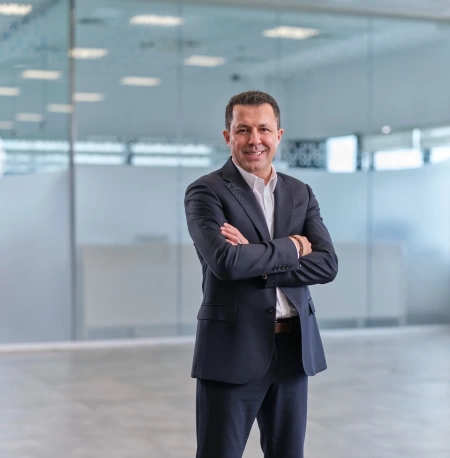
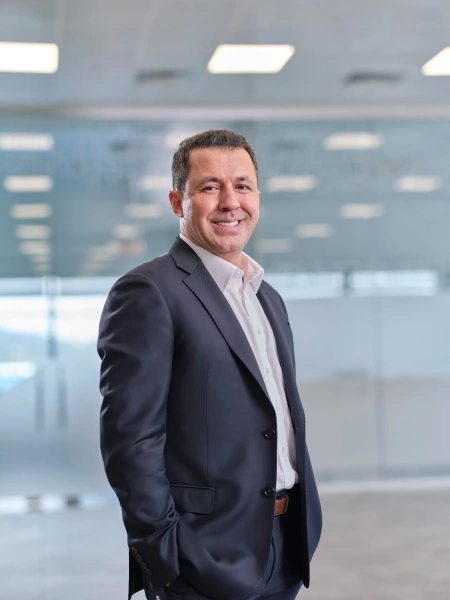
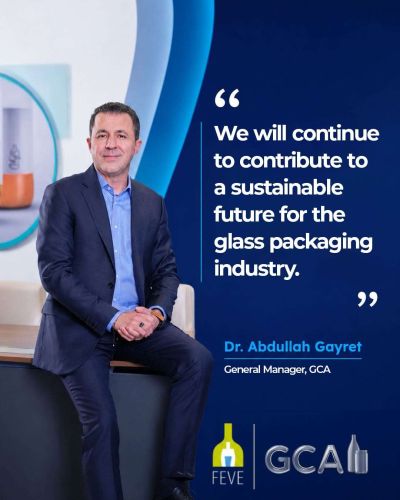
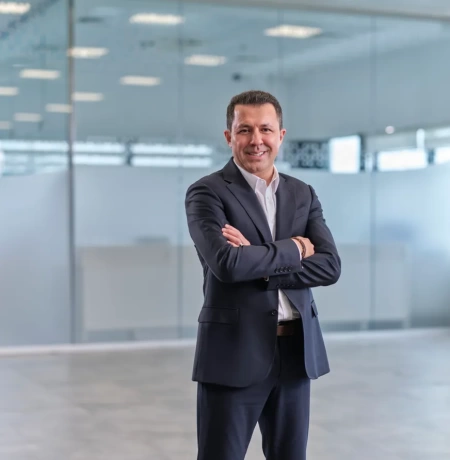
Dr. Abdullah Gayret, General Manager of GCA, made the following remarks during the meeting:
“We see the circular economy not merely as an environmental responsibility, but as a strategic priority for the competitiveness and raw material supply security of our industry. Glass’s ability to be recycled repeatedly offers an important advantage in this transformation. However, we should measure success in recycling not only by the amount of waste collected, but by the quality raw materials returned to production. To achieve this, we need a framework that strengthens collection and sorting infrastructure, incentivizes tangible environmental gains, and supports manufacturers’ investments. I believe that, through strong cooperation between the public and private sectors, we can transform the circular economy into a sustainable competitive advantage for Turkish industry.”
Emphasis on Collective Action for Sustainable Production
The discussions at the meeting highlighted the importance of an approach that goes beyond regulatory compliance and focuses on measurable environmental outcomes and resource efficiency in Türkiye’s transition to a circular economy.
Guided by its experience in glass packaging production and its sustainability vision, GCA aims to continue its efforts to increase the use of recycled glass, strengthen resource efficiency, and contribute to the wider adoption of circular economy practices.