GCA and Taşkesti Su Launch a Circular Collaboration Powered by Glass
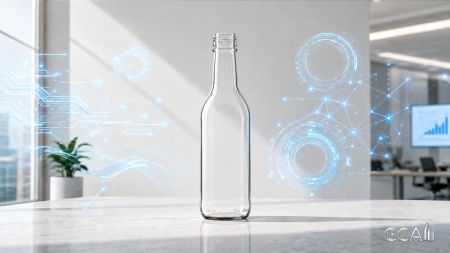
GCA and Taşkesti Su have introduced a sustainable and safe business model in the HORECA channel through a refillable glass bottle system. The system aims to reduce glass packaging waste by over 90%, while a significant reduction in energy consumption and associated carbon emissions is planned by substantially decreasing the need for new glass production.
Developed as part of the collaboration between GCA and Taşkesti Su, the refillable glass bottle system was designed as a circular packaging model based on the return, collection, cleaning and refilling of bottles. Launched as a result of increasing environmental awareness, changing consumer expectations, and the trend towards sustainable solutions in the HORECA channel, the project has evolved beyond a packaging choice into a long-term sustainability model.
A System Powered by the Circular Potential of Glass
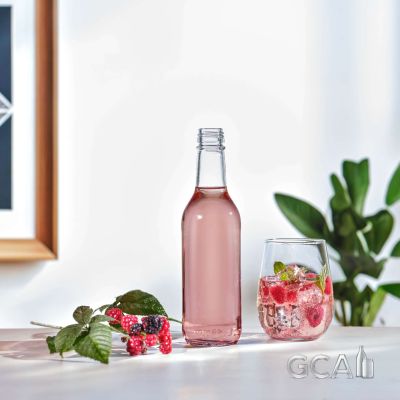
The model developed within the scope of the collaboration was structured as a holistic framework from design to production and operational processes. In line with Taşkesti Su’s commitment to protecting natural resources and product purity, the returnable and refillable glass bottle model developed in cooperation with GCA preserved the brand-specific bottle design. Meanwhile, engraving adjustments made on existing molds provided resource efficiency, and Taşkesti Su’s simple brand identity was reinterpreted on the glass surface.
Before filling, the bottles underwent quality and compliance checks and were cleaned in accordance with hygiene standards. The filling and capping processes were carried out in compliance with the ISO 22000 Food Safety Management System, ISO 9001 Quality Management System, TSE standards and Halal certification requirements. The non-porous, inert, and chemically non-reactive structure of glass contributed to preserving product purity, while its suitability for high-temperature disinfection supports hygiene and product safety.
As part of the operational process, empty bottles are collected in crates at the same time as full bottles are delivered. They are then returned to the facilities, where they undergo multi-stage washing, disinfection and quality control processes before being prepared for refilling.
The environmental benefits of the system are regularly assessed through indicators such as the bottle reuse rate, the amount of glass recovered and the reduction in the need for single-use packaging. By reducing the demand for new glass production, the model also aims to achieve a significant decrease in energy consumption and carbon emissions.
“We Have Developed an Integrated Model That Reduces Environmental Impact”
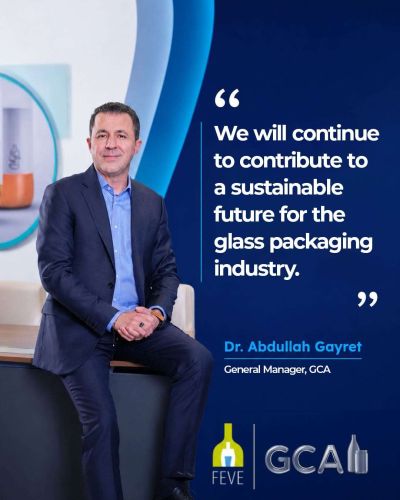
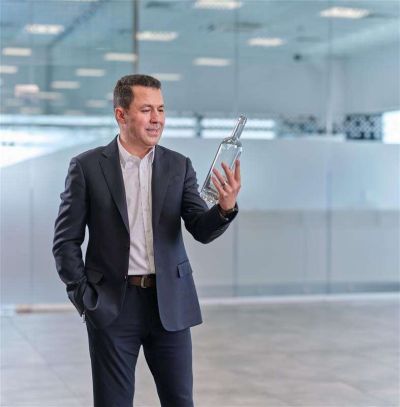
Commenting on the collaboration, GCA General Manager Dr. Abdullah Gayret said: “This project, implemented together with Taşkesti Su, demonstrates that glass is not just a packaging material, but an important part of the sustainability approach. The refillable glass bottle system enables the development of an operationally sustainable model that reduces environmental impact.
This step is a tangible output of the reuse and circular economy-oriented approach developed by GCA in line with its sustainability goals. This approach, which we initiated with Taşkesti Su, demonstrates the feasibility of the reuse model in glass packaging, while establishing an important reference for implementing similar practices on a wider scale both in Türkiye and in global markets.
As GCA, in line with our sustainability focus, we see such solutions not merely as individual projects, but as a transformation area that can spread across the entire industry. This collaboration we have realized with Taşkesti Su constitutes an important example that demonstrates the reuse potential of glass packaging.
We do not see this approach as limited only to this project; as GCA, we continue our efforts to implement similar sustainable practices with all other brands in our portfolio and our business partners. In the coming period, we aim to develop and expand projects together with our different brands that strengthen the reuse potential of glass packaging and support the circular economy.”
“We Believe This Collaboration Will Inspire Lasting Transformation”
Mehmet Ali Özal, Chairman of the Board of Directors of Taşkesti Su, said: “We regard glass packaging not merely as a presentation choice, but as a strategic element that delivers the naturalness and reliability of our product to consumers in its purest form. This model has transformed Taşkesti Su’s responsibility towards its natural resources, the environment and future generations into a tangible system. By placing sustainability at the heart of our operations, we believe this approach, which demonstrates that value can be created together with our business partners, will inspire more conscious and lasting transformation across our industry.”